
The 5 Essay Mistakes That Cost Students Marks in IB English
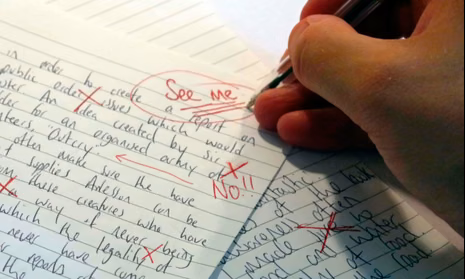
The IB English course places a strong emphasis on clear thinking, strong analysis, and well-structured writing. Many students understand the texts they study and have good ideas to share, yet still lose marks in their essays.
In most cases, the issue is not knowledge of the material. Instead, students lose marks because of a few common writing mistakes that prevent them from communicating their ideas clearly.
Below are five mistakes that frequently appear in IB English essays — and how students can avoid them.
1. Weak or Unclear Thesis Statements
One of the first things examiners look for in an IB essay is a clear thesis statement. This tells the reader what the essay will argue and sets the direction for the entire response.
Many students begin essays with general statements that do not clearly answer the question. For example:
"This essay will discuss the theme of power in the novel."
While this introduces the topic, it does not present a clear argument.
A stronger thesis explains the student’s position more directly:
"The novel presents power as ultimately destructive, showing how characters who seek control over others often undermine their own moral integrity."
A clear thesis helps guide the essay and makes it easier for the examiner to follow the argument.
2. Poor Paragraph Structure
Another common issue is paragraphs that contain too many ideas or move between points without clear organisation.
Strong paragraphs usually follow a simple structure:
Topic sentence – introduces the main idea of the paragraph
Evidence – a quotation or example from the text
Analysis – explanation of how the evidence supports the argument
When paragraphs follow this pattern, essays become much easier to read and the argument develops more logically.
3. Too Much Summary, Not Enough Analysis
Many students spend too much time retelling the story instead of analysing it.
For example, a paragraph might describe what happens in a scene but never explain why it is important or how it supports the essay’s argument.
Examiners are not looking for plot summary. They want to see interpretation and analysis.
A good rule for students is this: whenever they include an example or quotation, they should also explain what it shows about the author’s message, character development, or literary techniques.
4. Weak Use of Evidence
Quotations and examples are important in IB English essays, but they need to be used carefully.
Some students include quotations without explaining them, while others rely on very long quotations that interrupt the flow of the essay.
A more effective approach is to use short, focused quotations and then explain their significance clearly. The key is not simply including evidence, but showing how that evidence supports the argument being made.
5. Lack of Clear Structure Across the Essay
Even when individual paragraphs are strong, some essays still feel disorganised overall.
This usually happens when students start writing without planning their ideas first.
Before beginning an essay, it helps to spend a few minutes outlining:
the main argument
two or three key points that support it
examples or quotations for each point
This short planning stage often leads to essays that are more focused, logical, and persuasive.
Finally
IB English essays reward students who can develop clear arguments, analyse evidence carefully, and organise their ideas effectively. Avoiding these common mistakes can make a noticeable difference to a student’s writing and overall exam performance.
With the right guidance and regular practice, students can develop the skills needed to write more confident and well-structured essays.
If your child is preparing for IB English, building strong essay writing habits early can make a significant difference to their results. At Fluent Mentors, we work with students to strengthen essay structure, improve analysis, and develop clear academic writing through personalised one-to-one lessons.
Get in Touch
Questions? We are here to answer your questions over chat if preferred.
© 2026. FluentMentors.com All rights reserved.